
Post-traumatic growth is not just possible—it’s likely. But it doesn’t happen automatically. Growth isn’t something we passively wait for, hoping it will eventually show up. We don’t wake up one morning suddenly transformed. Instead, what we do in the waiting matters.
Waiting for growth isn’t like sitting at a bus stop. It’s like tending to a garden. You don’t just wait for something to bloom—you water it, pull the weeds, and make sure it has the right environment to grow. Growth requires intentionality.
Your Brain is Always Changing
Science tells us that our brains are always adapting, learning, and rewiring themselves based on what we do, think, and repeat. This process is called neuroplasticity, and it means that healing and transformation are not just hopeful ideas but real, biological possibilities.
But there’s another side to this: while neuroplasticity enables change, our brains also strive for homeostasis, or stability. This means our minds naturally resist change, clinging to familiar patterns—even unhealthy ones—because they feel safe.
💡 “Neurons that fire together wire together. Neurons that fire apart wire apart.” (Use it or lose it!)
The more we repeat certain thought patterns or behaviors, the stronger those neural pathways become. If we constantly dwell on negativity, fear, or unhealthy coping mechanisms, our brains reinforce those patterns. But if we intentionally practice new, healthy behaviors and ways of thinking, those neural pathways grow instead.
In other words, what we focus on and repeat determines what becomes second nature to us.
What Are You Feeding Your Mind?
We often underestimate the power of what we allow into our minds. The music we listen to, the media we consume, the conversations we engage in, and the thoughts we dwell on all shape our thinking. If we fill our minds with negativity, worry, and fear, our brains will naturally lean toward those patterns.
Paul exhorts us:
“Finally, brothers and sisters, whatever is true, whatever is noble, whatever is right, whatever is pure, whatever is lovely, whatever is admirable—if anything is excellent or praiseworthy—think about such things.” (Philippians 4:8)
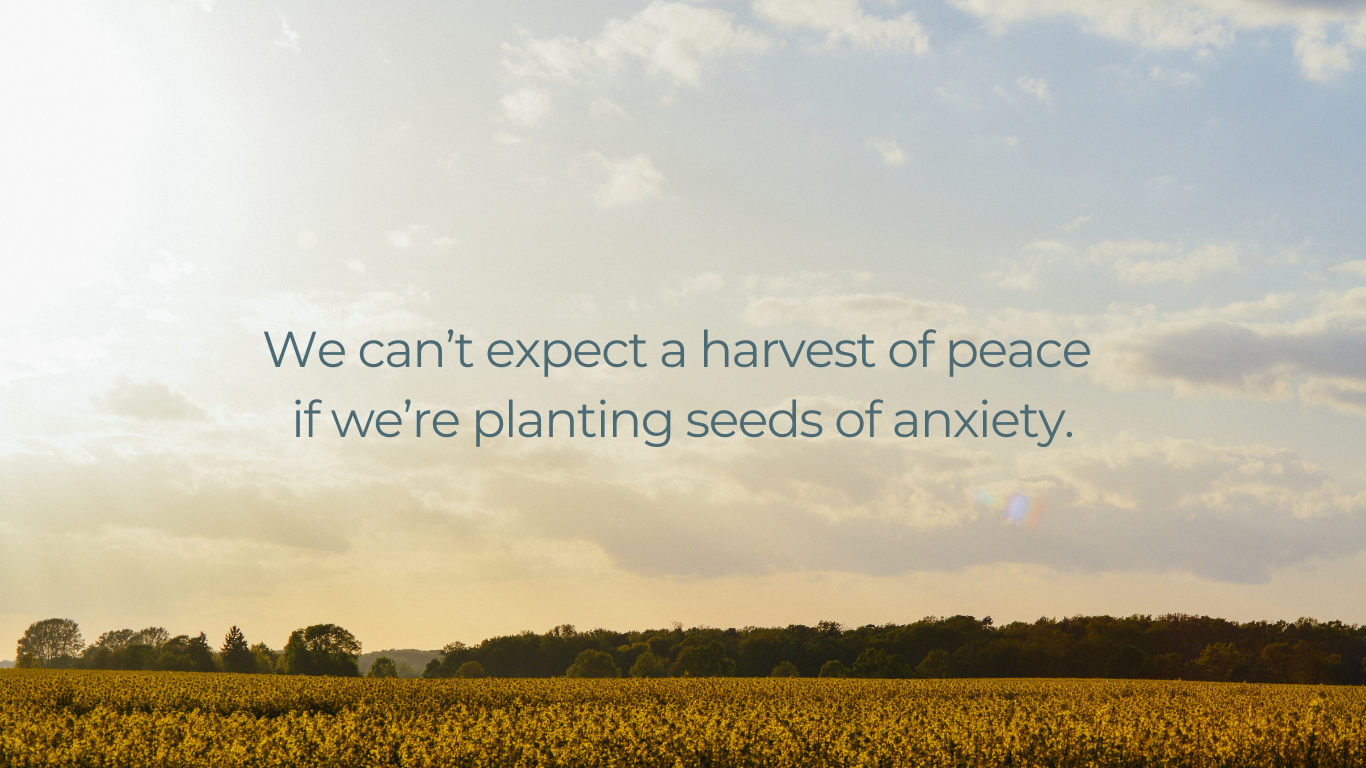
What we choose to meditate on will either strengthen unhealthy patterns or reinforce truth and healing.
Not All Coping Mechanisms Lead to Growth
When life is hard, we turn to something for relief. But not all coping mechanisms actually help us grow.
- Negative Coping: Avoiding, numbing, or turning to destructive habits.
- Neutral Coping: Things like shopping, binge-watching Netflix or a day at the spa—these aren’t harmful, but they don’t create lasting change.
- Positive Coping: Practices that lead to real transformation—prayer, journaling, therapy, Scripture meditation, intentional rest, and forming healthy thought patterns.
💡 “Self-care is important, but real transformation happens when we build new habits that strengthen us—not just distract us.”
Encouragement for the Journey
We are not stuck. Our brain is designed to change. But we have to be intentional.
The thoughts we choose, the habits we form, and the way we cope all shape who you are becoming. Next week, we’ll talk about practical steps to build healthy neural pathways, but for now, start noticing:
- What patterns are you repeating?
- What thoughts do you allow to take root?
- Where is God calling you to be intentional in your growth?
Your waiting is not wasted. What you do today is shaping who you are becoming.
Your Turn: Reflect & Share
Have you ever realized you had a habit or thought pattern shaping you without even realizing it? How have you seen intentional change impact your life?
I’d love to hear your thoughts—share in the comments or send me a message!
Dawn


Leave a comment
0 Comments